The worst day of his life unfolded on what was meant to be a joyous occasion. The Assumption of the Blessed Virgin Mary is one of the most well‑attended celebrations in the Catholic Church. On this day, pilgrims throng grottos across the country, climbing hills and mountains with unrestrained devotion. Old women and men, filled with faith, walk tirelessly to places of worship, their spirits lifted by the sacred atmosphere.
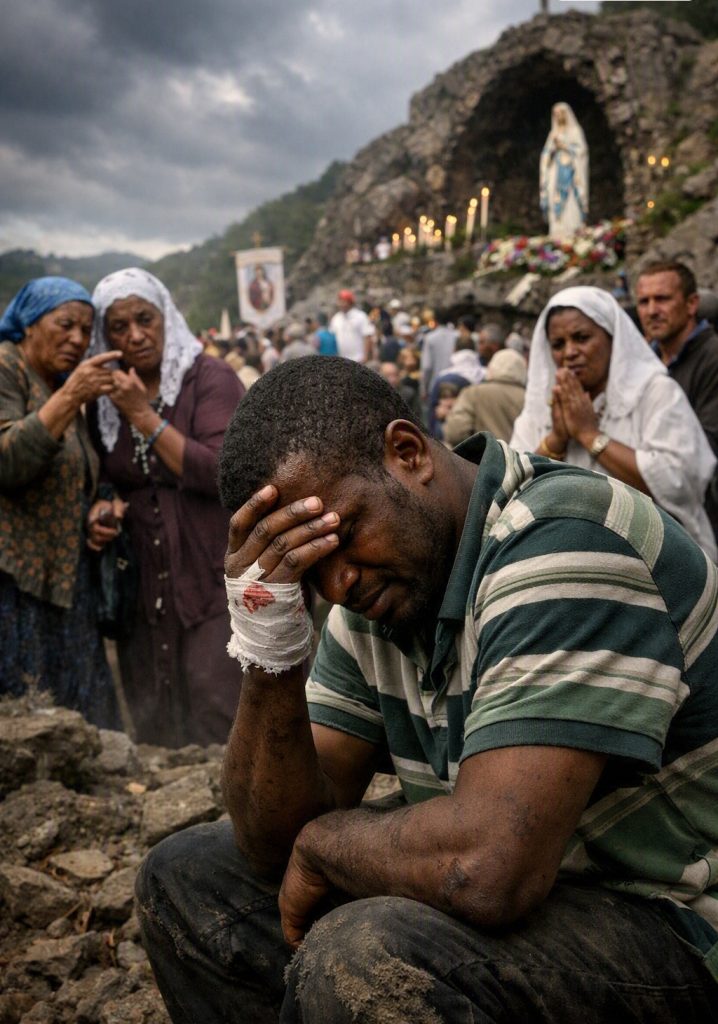
The day began as usual—waking up, preparing meals for the afternoon and evening, rushing through food as if in a military camp, and painfully missing out on prayers. Finally, the time came for the pilgrimage. Spirits were high, conversations lively, laughter abundant. Meeting someone for the first time in months added to the joy; the reunion was warm, filled with delightful chatter. Everything seemed perfect—until the unexpected struck.
Suddenly, his stomach began rumbling like a Presbyterian music minister pounding the conga drums. The walls shook within me as if they had been waiting years for this moment. Yesterday’s meals decided to stage a rebellion, and even Usain Bolt’s Olympic sprint could not have saved me. Just as the restroom was within reach, disaster struck—missiles flew uncontrollably, unstoppable even by the most sophisticated machines. Thankfully, the damage was partial, wounding only a finger of dignity rather than the whole body.
The crowd’s reaction was piercing. Some looked on as though I carried a contagious disease, as if leprosy had invaded the holy grounds. Yet a few kind souls showed empathy, offering help to a wounded lion struggling to regain strength. Their compassion was a balm in the midst of humiliation.
But shame is a heavy burden. It cloaked him in sadness and insecurity, making him retreat from reality. The experience felt more costly than the world’s most precious diamond—an ordeal no one would wish even on an enemy. Shame knows no boundaries; it strips even the mightiest of their armour, leaving them vulnerable and exposed. It silences voices, drags reputations into the gutters, and makes one hesitant to speak even when brilliance burns within.
The hardest part was knowing that this was a first impression. Meeting people again in the future would mean facing the shadow of that moment. How could I raise my head when the memory lingered? How could I contribute ideas when the past threatened to silence me? Reputation, once dented, feels almost impossible to restore.

Yet life teaches resilience. Even thriving businesses have endured their worst days before rising again. When situations threaten to throw your reputation into the ditch, the only way forward is to embrace fear, confront shame, and raise your head high. It is not easy, but it is necessary. Vulnerability may wound, but it also reveals strength. And in the end, the worst day becomes a lesson—a reminder that dignity is not lost in failure, but rebuilt in courage.