 As human beings, we all carry our own baggage of biases and favourites, and find ourselves. These leanings may be tribal, intellectual, or even tied to age. Some people naturally gravitate toward those from their own tribe, while others prefer to rub shoulders with individuals of sharp intellect or striking physical features. There’s nothing wrong with having preferences, but the way we handle them is where the rubber meets the road.
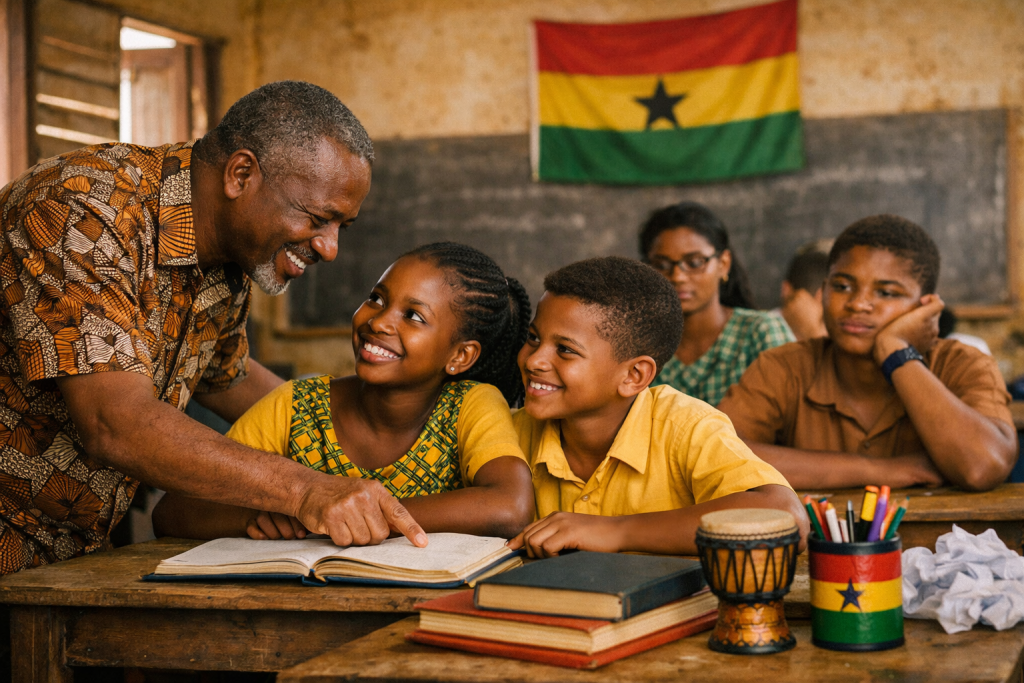
In my journey of engaging people in different capacities, most vividly in the classroom, I’ve seen firsthand how facilitators often play favourites, see the others as rotten apples, but simply because human beings are wired to have inclinations. Once a facilitator takes a shine to you, they bend over backwards to follow up and keep tabs on everything you put your hand to. I wasn’t taken aback when my Basic Six teacher took me under his wing, not because I was a whiz kid, but because we shared a common passion: poetry. He steered me in the right direction, and that became the springboard for my career path.
Later, when I stepped into the classroom as a facilitator myself, I found that I too had my own biases. I clicked with a certain calibre of students, and to this day I keep in touch with them, not because they wear superhero capes, but because I spotted raw potential in them. That’s my Achilles’ heel: once I see a spark in someone, I can’t help but take a keen interest in whatever they do.
 Communication Studies, especially journalism, reminds us that journalists and media personalities are not neutral but objective. Just like everyone else, they have their own yardsticks for making choices. We may warm up to one person more than another for reasons best known to us. At the end of the day, we are not sitting on the fence, we are objective in our biases.
#Nansec@60
#legacy_project